Apparently, the preferred body type has gone from the voluptuous endomorphic look of the 1950`s and 1960`s, to the lanky ectomorphic look, which is very hard to obtain for most women. Men, too, have felt the change of time as washboard abs, silky skin, and massive muscles have emerged as the forerunner in body shape distinction.
Many of the advertisements revolve around the idea of ‘living a good life’ with the alcoholic beverage promoted Miller High Life and Budweiser which always showcase men engaging in various activities such as golf and gambling. These two kinds of advertisements can be said to play on the ‘hegemonic masculine’ persona. Not only do the advertisements reiterate the existing ideal of ‘hegemonic masculinity’ at that time, but they also shape and adapt the dominant male values and ideals in the society
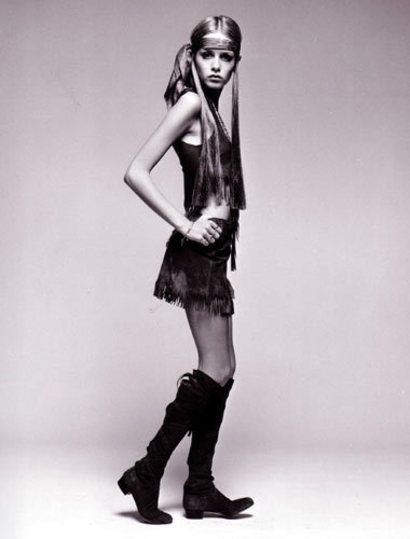
1967: British fashion model Twiggy arrives in America weighing 91 pounds on a 5-foot-7-inch frame, triggering a shift in average sizes for fashion models.
1968: Feminists burn bras, make up and high heels to protest the Miss America beauty pageant.
http://nm-server.jrn.columbia.edu/projects/masters/bodyimage/history/1960s.html
Slimness in Grace Kelly and Audrey Hepburn
Reference Text :
http://lanic.utexas.edu/project/etext/llilas/ilassa/2010/ssl.pdf
http://www.healingthehumanspirit.com/pages/body_img2.htm
http://www.youtube.com/watch?v=pMAV29Vv9hY
This video showed a better idea of how women were with their bodies back in 1960s. and also the bikini trends at that time.
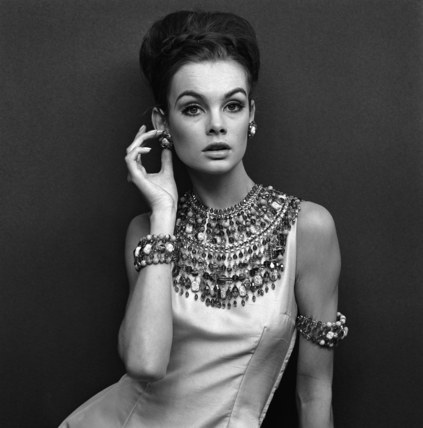
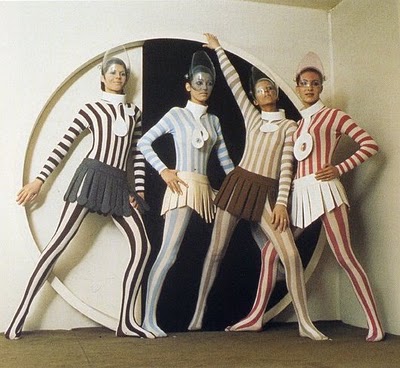
Some examples of women in the 1960s. These iconic women were the ones who influenced the ideas of body image.
Yves Saint Laurent's shift dresses and pea coats became popular in the 60s.
Yves Saint-Laurent opened his fashion house in 1961 with partner Pierre Berge as his financial backer.
<http://stylecartel.wordpress.com/2008/06/07/the-code-of-yves-saint-laurent/>
Twiggy
Twiggy was the most popular fashion model of the era, she was known for her "pixie look", which included shift dresses, ballet flats, cigarette pants and an extremely cropped haircut.
http://womens-fashion.lovetoknow.com/1960s_Women_Fashion
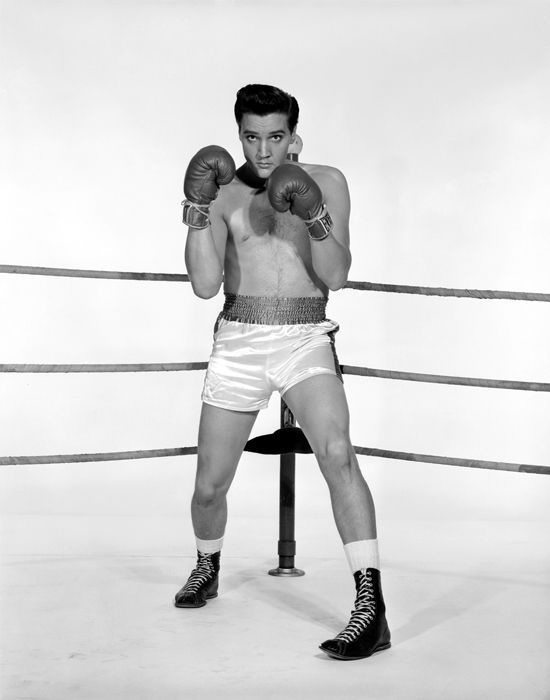
Since the 1950s, men have been concerned about four major areas of body alteration and enhancement. They have lavished great attention on their hair, they have worried about physical fitness and body shape, they have made forays into cosmetic surgery, and they have fretted about sexual dysfunction. Men's ways of dealing with their "problem areas" have changed drastically in this century, and it is impossible to understand current practices without first looking back at men's attitudes in earlier times.
The perceived attractiveness of muscular men has grown since around the 1950s, alongside the muscularity of male models. The body size of male Playgirl models gradually increased from the 1950s to the late 1990s with an increase in muscle and lean body mass rather than body fat.